

A VILLA, THAT WRITES HISTORY
A VILLA, THAT WRITES HISTORY
Eras come and go. The Feszl Villa remains.
Every historic building is a mark of its era — and sometimes even more. The Feszl Villa has undoubtedly been an active shaper of Rózsadomb’s transformation and the environment that today is known as one of Budapest’s most prestigious districts.


IN PLACE OF VINEYARDS: A NEW WORLD
Where wine once grew, living here is a privilege today.
In the second half of the 19th century, the slopes of Rózsadomb were covered with vineyards and orchards. The devastating phylloxera epidemic at the end of the 1870s forever changed the landscape: the carefully tended rows of vines soon disappeared from the hillsides, making way for the subtle outlines of urbanization. Thus, the quiet gardens of Rózsadomb became the new, elegant homes of the bourgeois lifestyle.
THE BEGINNINGS: THE FIRST VILLA
Modest, yet timeless – based on the designs of László Feszl
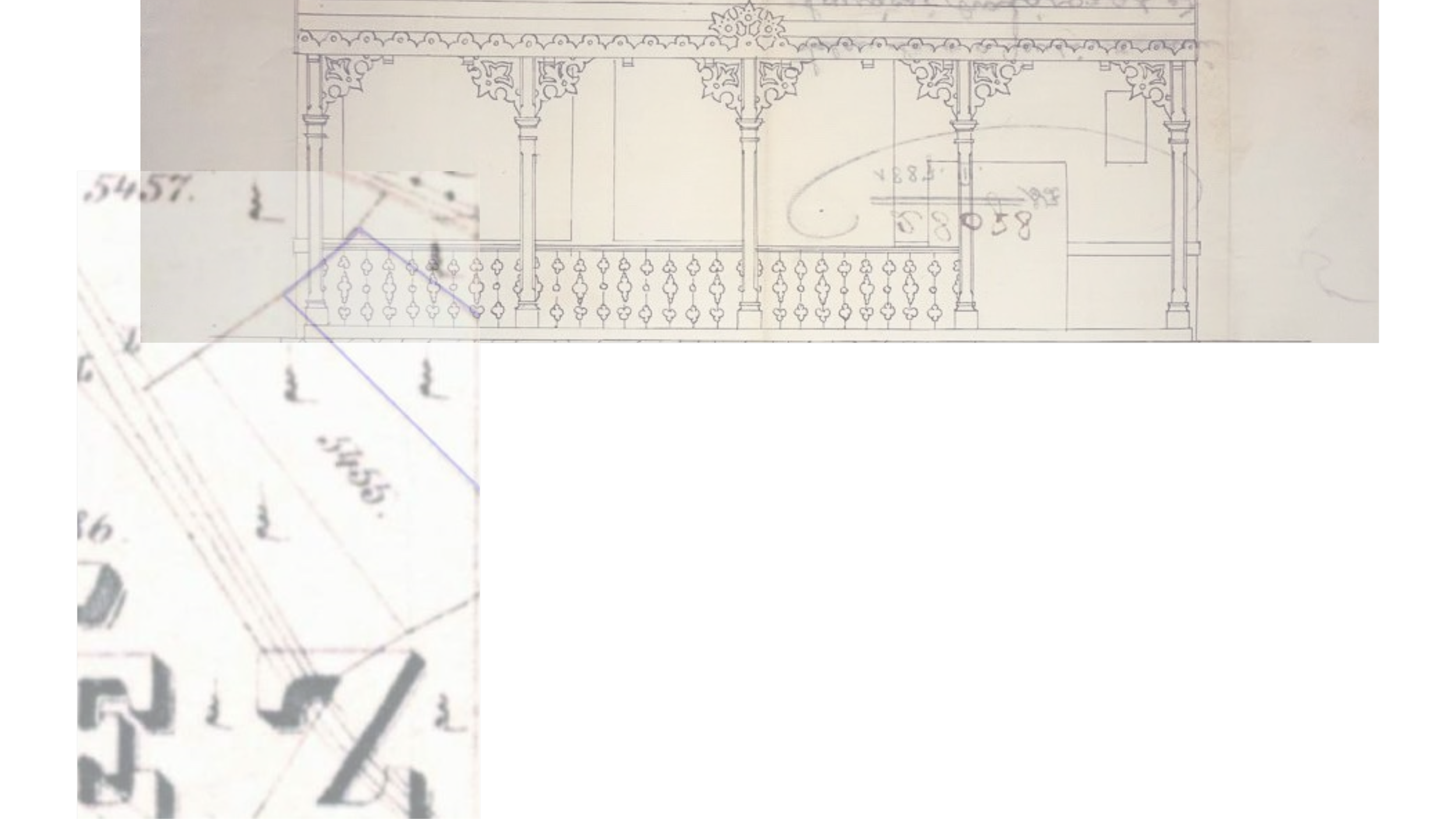
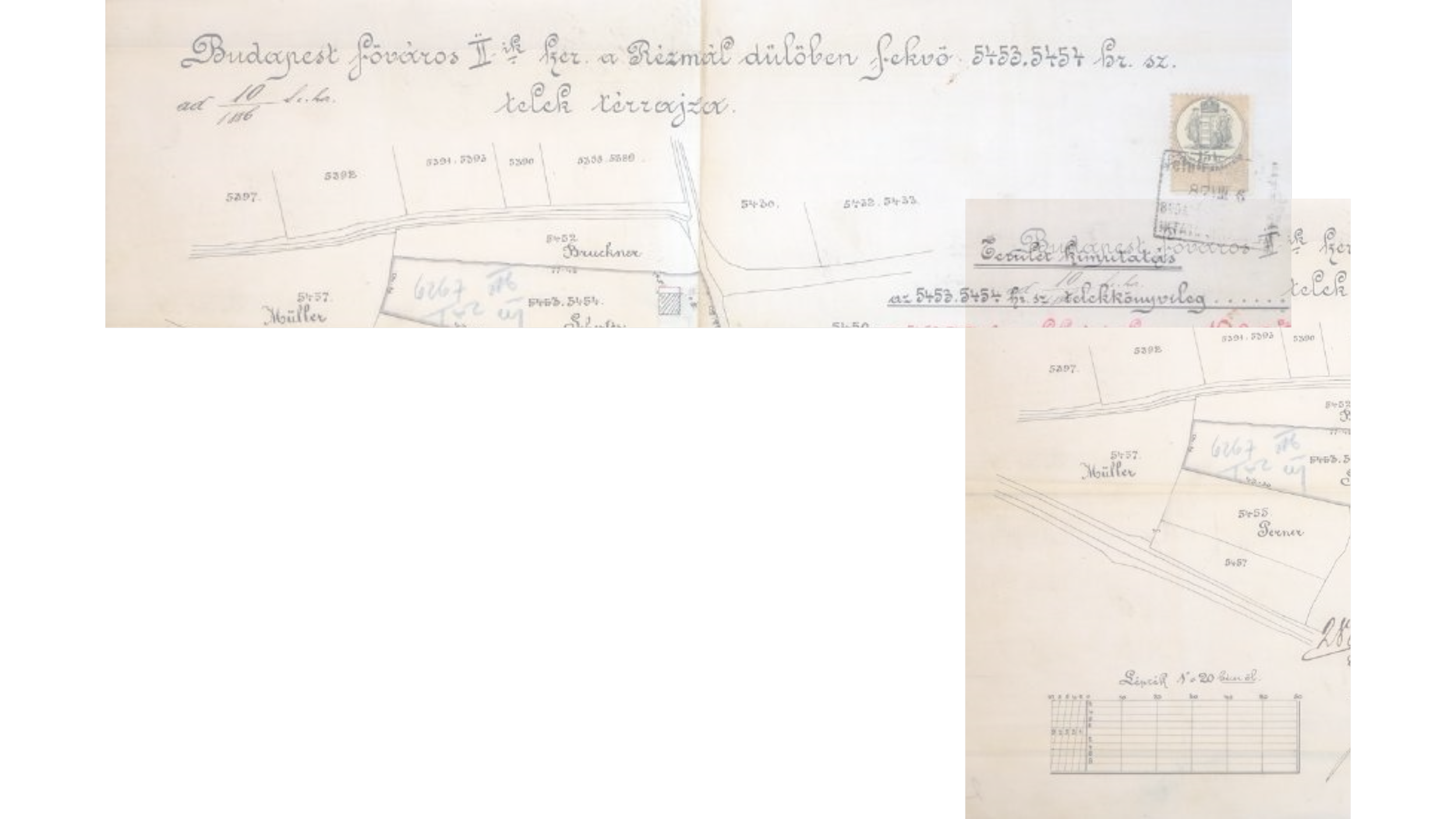
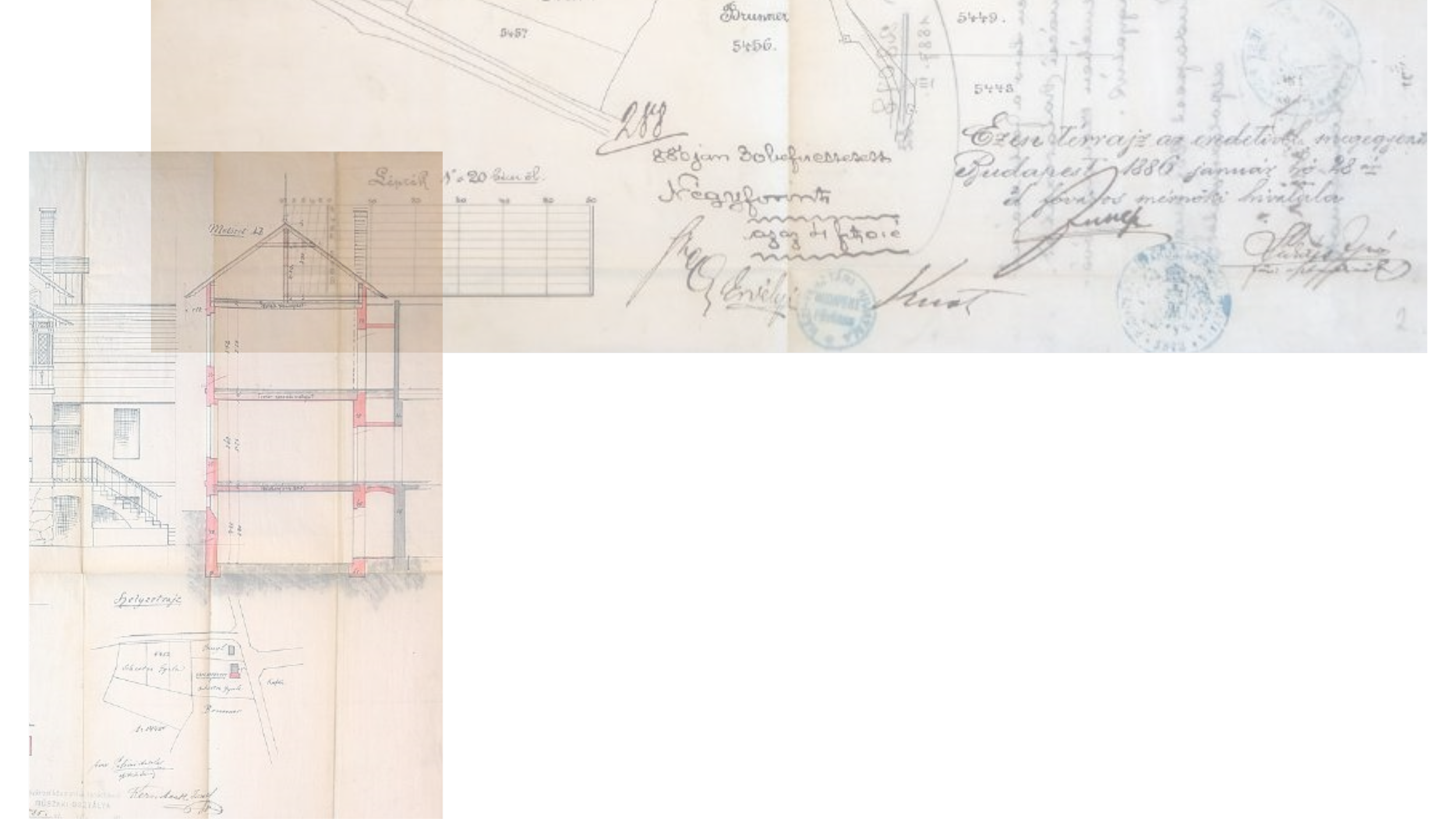
In the spring of 1886, Gyula Scherter and his wife, Hermina Máthé, envisioned a single-story family home on one of the first plots in Rózsadomb. The building’s designs were created by László Feszl — modest and proportionate, yet timeless in its lines, subtly reflecting the style of the era. Construction progressed quickly, and by July 1886 they had already applied for a habitation permit. A year later, based on plans by master carpenter József Nábauer, a wooden veranda was added to the northeast facade, lending the building a new character with its light and airy appearance.
FROM HOLIDAY HOME TO URBAN HOME
Civic elegance, with scale and soul
The 1890 expansion reflected not only changes in space but also shifts in lifestyle. The wooden porch, the stone facade, and the gradual Secessionist details — by the turn of the century, every element had become part of a carefully crafted home.
CAPTURING TIME, HONORING VALUE
A new beginnings, rooted in timeless heritage
The villa’s most valuable elements — the 1886 veranda, the main building developed between 1890 and 1906, as well as the ornate wrought iron gate and stone fence evoking the atmosphere of the era — still preserve the original elegance of the building, while the interior transformations have been sensitively adapted to the needs of the contemporary bourgeois lifestyle.
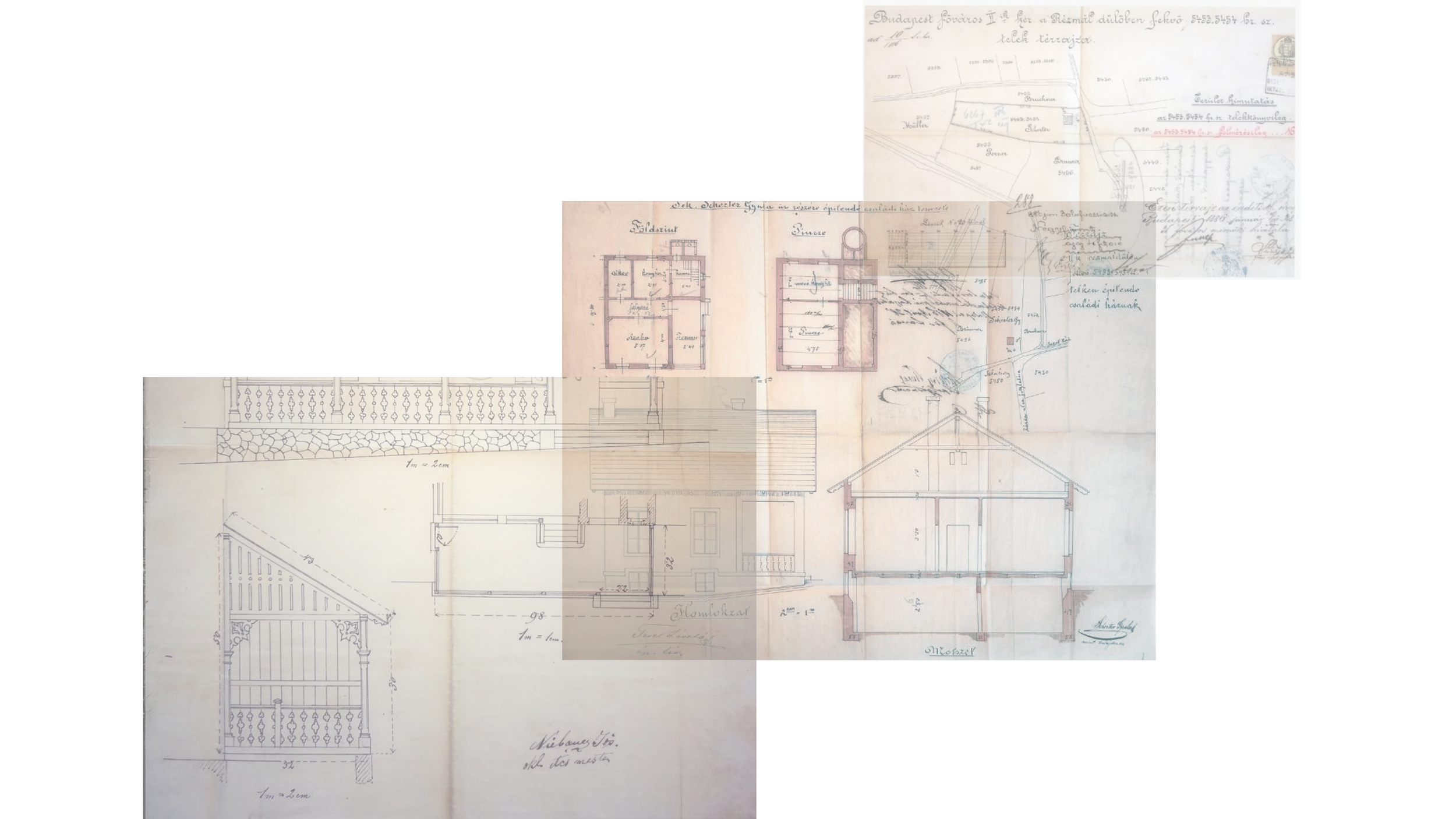
The character of a city is shaped not only by its maps, but also by its iconic buildings. The Feszl Villa is such a legacy — not merely a preserved gem from the past, but a creation that has influenced the future of an entire neighborhood.
Refined lines, period elegance — the imprint of an era from the drawing board of László Feszl
In the 1950s, Rózsadomb — then often referred to as the "Kádár slopes" — was lined with the residences of state and party leaders, hidden away from the public on large, wooded plots.
THE FESZL VILLA’S PAST IS NOT JUST A MEMORY, BUT A VALUE - NOW, PROTECTED AS A HERITAGE SIDE, IT OFFERS A RARE CHANCE FOR PAST AND FUTURE TO CONVERGE